EQUELLE 是使用與芝士中相同種類的乳酸菌來發酵大豆製成的。大塚製藥堅持使用「優質原料」,生產的 EQUOL(雌馬酚)補充劑,希望能幫助您隨時綻放自我原有的自然美態。

The Source of Soy Isoflavone’s Power
Can you produce Equol—or not?
Even if you can produce Equol…
Otsuka Pharmaceutical’s Equol
Among the components derived from soy, Equol is now attracting attention as a key ingredient that supports the health and beauty of women entering the “Yuragi Generation®”—a time of hormonal fluctuations.
Otsuka Pharmaceutical’s EQUELLE is a convenient way to directly consume this promising compound, Equol.

However, research has revealed that not everyone can fully benefit from soy isoflavones.
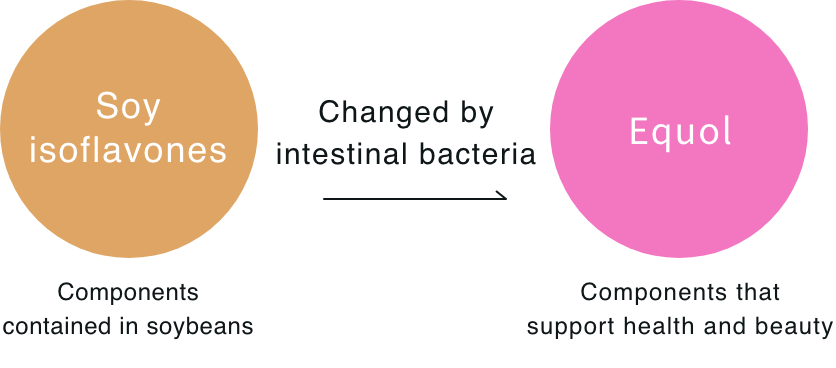
This discovery led to a focus on Equol—a metabolite produced when daidzein, a type of soy isoflavone, is converted by specific gut bacteria.
Equol has been shown to exert stronger effects than soy isoflavones themselves, making it the true source of their power.
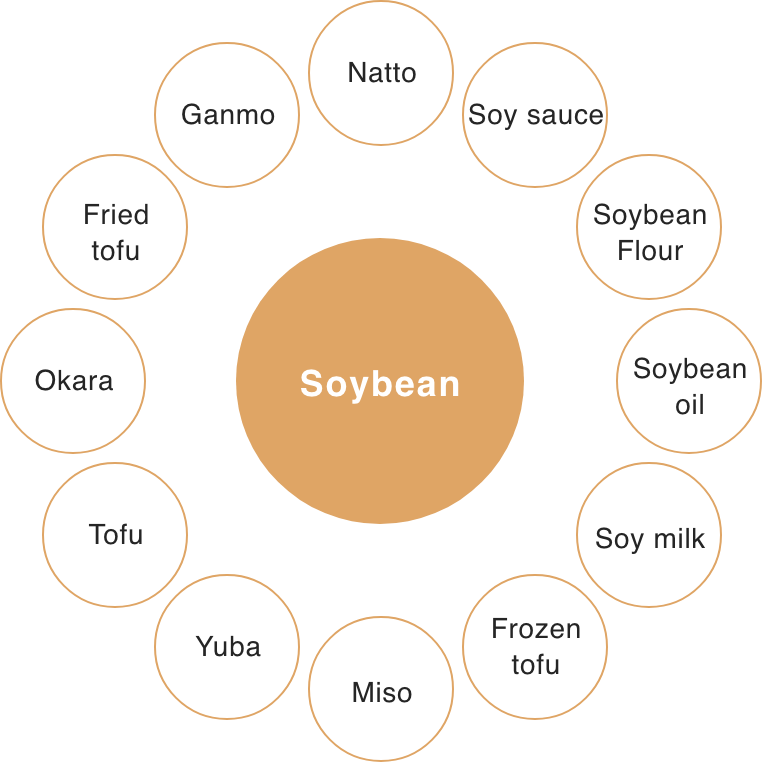
Soy isoflavones are found in soybeans and soy-based foods such as tofu, okara, abura-age (fried tofu), natto, and soy milk.
Otsuka Pharmaceutical’s research indicates that to support the health and beauty of women in the Yuragi Generation®, a daily intake of 10 mg of Equol is ideal.
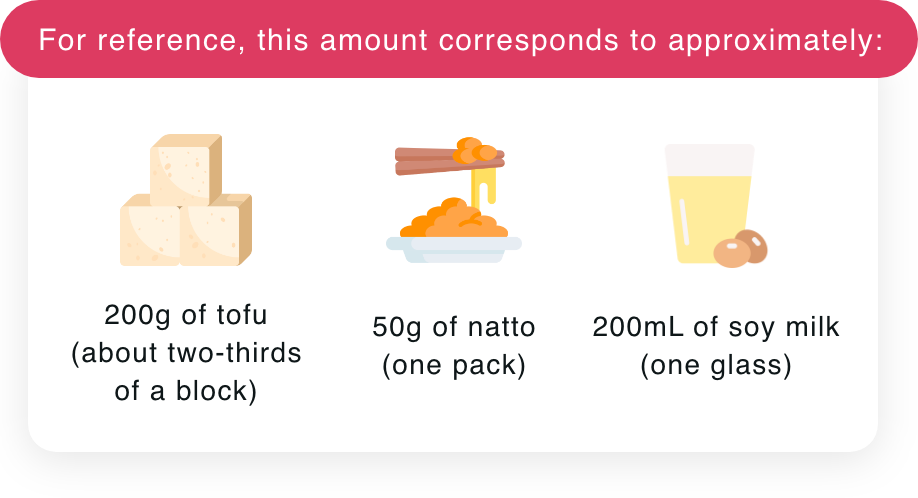
On average, producing 10 mg of Equol in the gut requires about 50 mg of soy isoflavones.
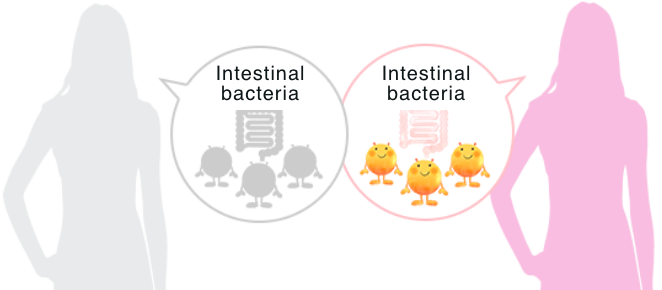
Despite its benefits, not everyone can synthesize Equol in the gut.
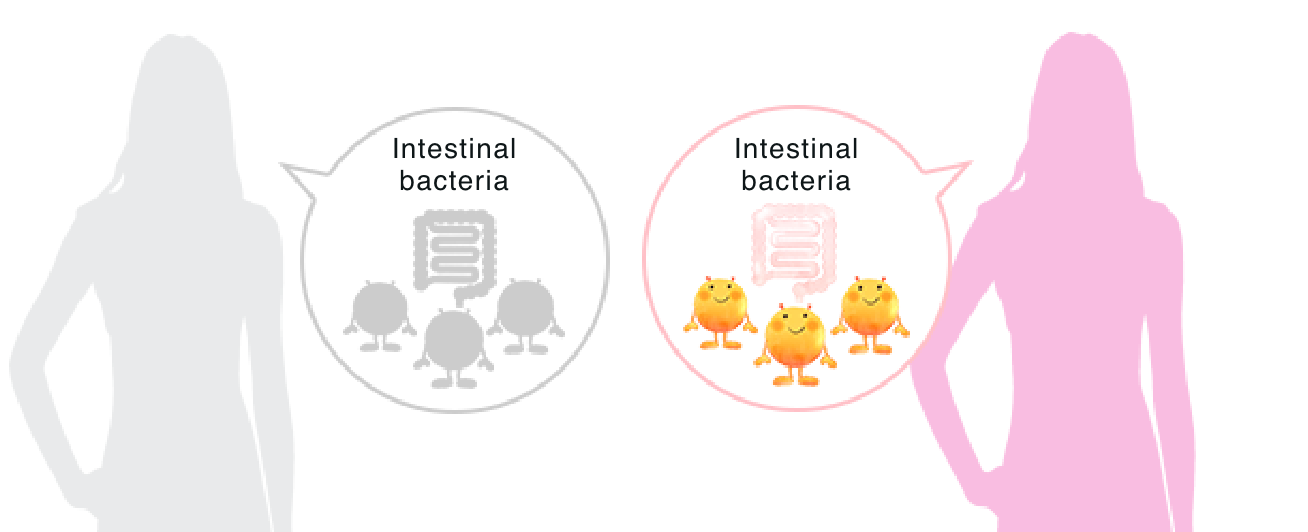
Equol production depends on the presence of Equol-producing bacteria in the intestines.
If you lack these bacteria, no matter how much soy isoflavone you consume, your body cannot convert it into Equol.
This explains why some people benefit from soy isoflavones while others do not.
For those without Equol-producing bacteria, daidzein is absorbed as-is, without conversion.
Even if you can produce Equol, you still need to consume soy-based foods regularly to supply the raw material.
If you cannot produce Equol naturally, EQUELLE offers a way to directly supplement Equol itself.
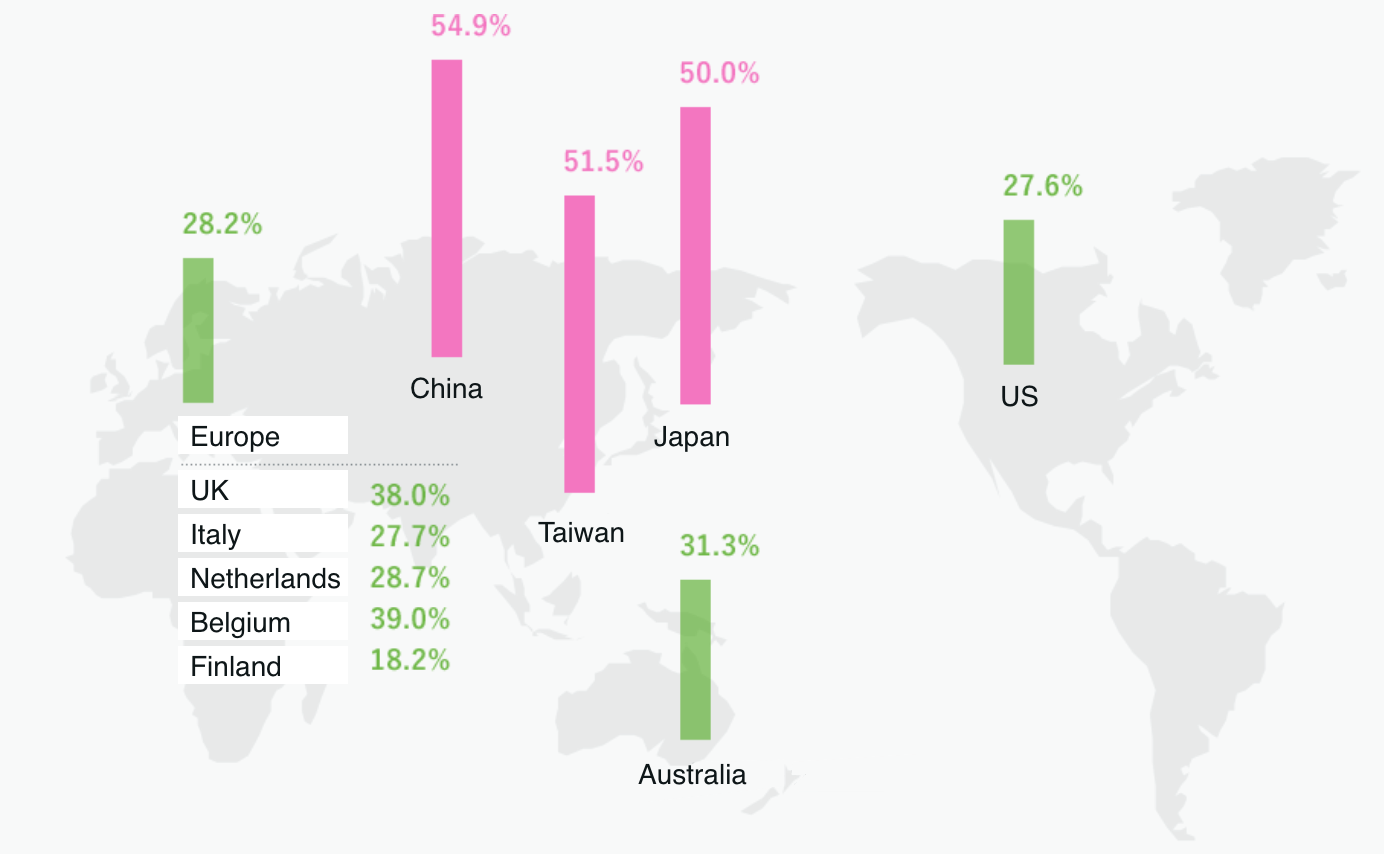
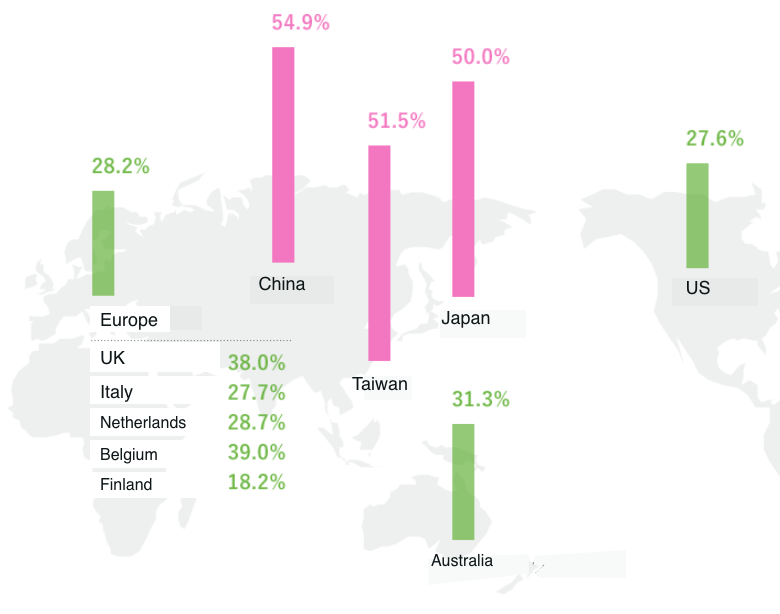
In Japan, about 50% of the population can produce Equol. Similar rates are observed in China and Korea, where soy consumption is high. In contrast, the figure drops to around 30% in Europe and the United States.
(Source: Journal of Japan Society of Menopause and Women’s Health, 2012)
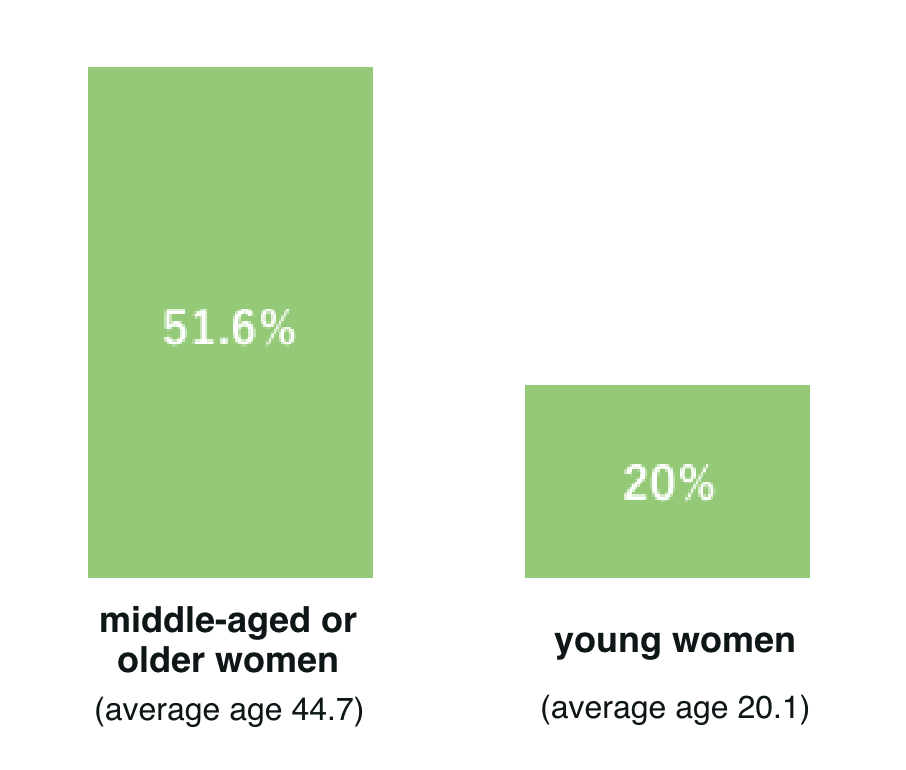
Reports suggest that only 20–30% of younger individuals can produce Equol. The reasons remain unclear, but dietary habits are believed to play a role. Westernized diets have reduced opportunities to consume soy-based foods compared to the past.
According to the 2015 National Health and Nutrition Survey, younger generations consume fewer legumes than those aged 50 and above.
The Ministry of Health, Labour and Welfare recommends a daily intake of 100 g of legumes, yet the average intake among women in 2015 was only 58.6 g.
This highlights the importance of consciously incorporating soy products into daily meals.
*1 From the Ministry of Health, Labor and Welfare's "Summary of the 2015 National Health and Nutrition Survey Results"
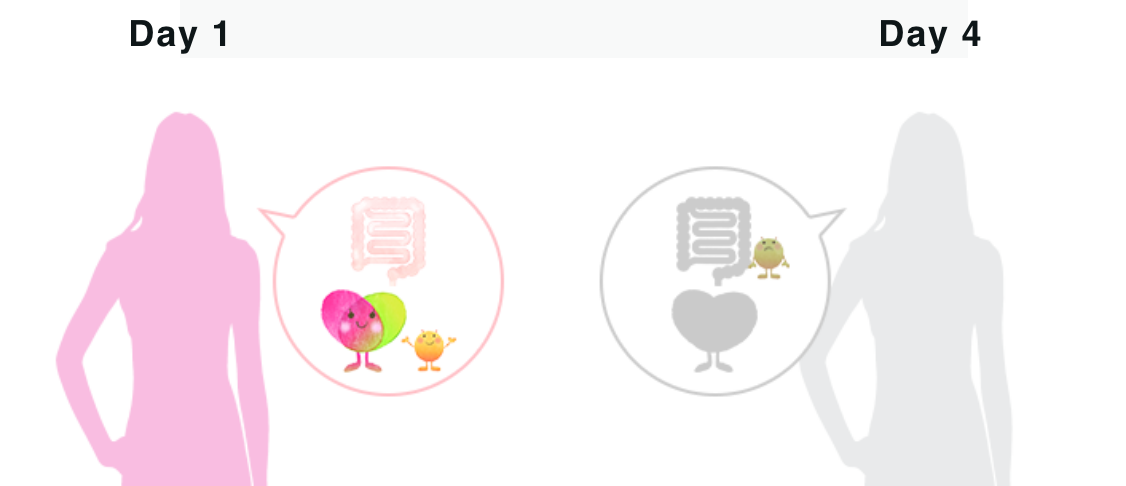
In fact, clinical trials conducted on individuals capable of producing equol revealed noticeable day-to-day variations in production.
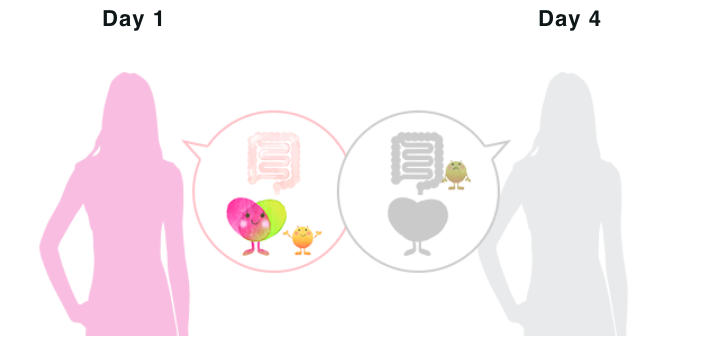
During a 7-day study, 25 participants consumed identical meals, and changes in urinary equol excretion were measured. Results showed significant daily fluctuations in some participants.
In one case, equol production was not detected at all after the fourth day.
These findings suggest that even equol producers may experience changes in production levels due to factors such as shifts in gut environment.
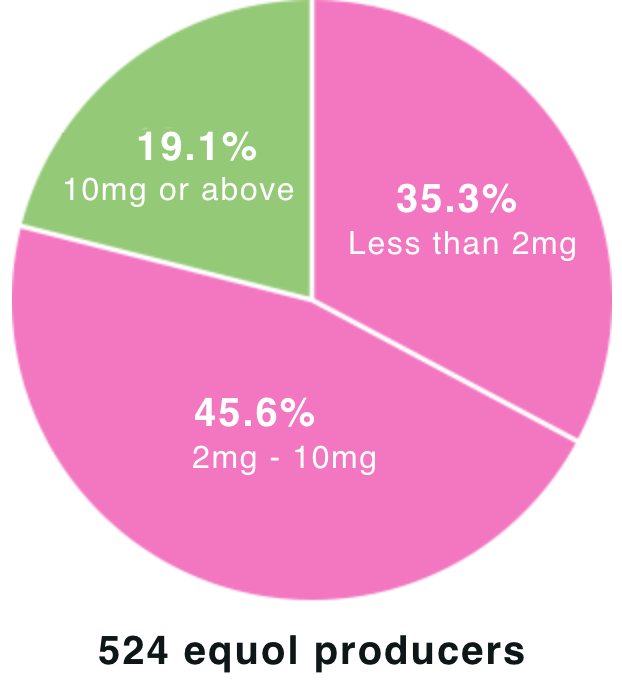
A study involving 524 Japanese equol producers measured urinary equol excretion under normal dietary conditions. The results revealed that sufficient equol production was not guaranteed.
Approximately 80% of participants produced less than 10 mg of equol per day.
For women in the “Yuragi Generation®,” maintaining health and beauty is thought to require about 10 mg of equol daily.
This study indicates that even among equol producers, many Japanese may not generate enough equol through their usual diet.
Reference: Ueno, T. et al., J Functional Foods, 2014, 7, 129-135 (partially modified)
Most are excreted within a day after consumption.
So, eating a large amount of soy foods in one day, thinking “I’ll make up for tomorrow,” will not deliver the desired effect, as they are mostly eliminated by the next day.
To harness the benefits of equol, soy-based foods must be consumed daily.
The same applies when taking EQUELLE.
The key to Otsuka Pharmaceutical’s equol lies in the lactic acid bacterium Lactococcus 20-92.
Currently, about 15 types of equol-producing bacteria have been identified in the human colon. However, for food applications, safety as a probiotic is essential.
Otsuka focused on safe strains such as bifidobacteria and lactic acid bacteria, and after years of research, discovered Lactococcus 20-92, leading to the creation of EQUELLE.
It is the only equol-containing food made by fermenting soy with lactic acid bacteria.
With EQUELLE, you can easily and safely continue your intake—helping you stay comfortable during life’s transitional stages.
Probiotics are defined as “live microorganisms that, when administered in adequate amounts, confer a health benefit on the host by improving the balance of gut flora.”
However, this balance is easily influenced by lifestyle factors such as stress, poor diet, and lack of sleep.
To ensure smooth equol production and maximize its benefits, it’s important to maintain a regular lifestyle and eat a well-balanced diet that supports gut health.
As we age, beneficial bacteria like bifidobacteria tend to decrease, while harmful bacteria increase.
Alongside adopting gut-friendly habits, using EQUELLE can help maintain equol levels and support daily health.